6,148 organ transplants by 2025: an all-time record for France
 Published on 19 February 2026
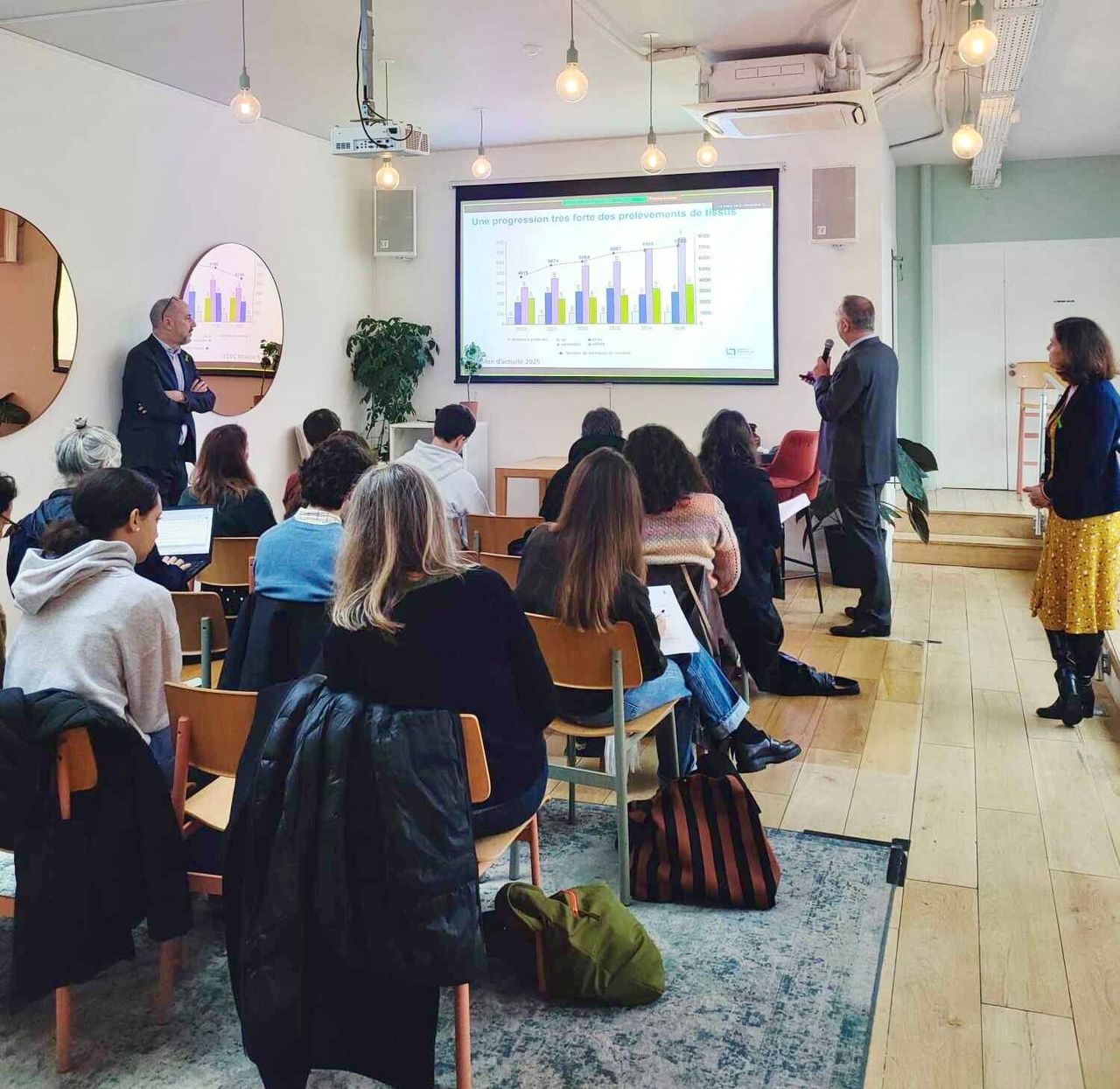
In 2025, France reached a record high in organ transplants, with 6,148 procedures performed—the highest number ever recorded. This increase confirms the strength and commitment of the organ procurement and transplantation system, while highlighting the scale of the need: more than 23,000 patients remain on the waiting list, in a context marked by continued high levels of opposition and persistent misconceptions.
A record-high level of organ transplants
In 2025, 6,148 organ transplants were performed in France, representing a 1.5% increase compared to 2024 (95 more transplants). This figure marks the highest level ever recorded, surpassing for the first time the previous record set in 2017 (6,120 transplants). This increase, although more modest, confirms the impact of the initiatives undertaken as part of the 2022–2026 Ministerial Plan for Organ and Tissue Donation and Transplantation. It reflects the ongoing commitment of hospital teams and all professionals working across the country.
A challenge: reducing refusal rates
In 2025, 3,188 potential donors in a state of brain death were identified (+0.6%). Among them, 1,590 were successfully harvested (+3%). These figures reflect the efforts of hospital teams, while also highlighting the untapped potential. At the same time, the refusal rate reached 37.1% (compared to 36.4% in 2024), with marked regional disparities. As of January 1, 2026, 23,294 patients were on the national waiting list, including 11,642 on the active list. In 2025, 966 patients died while on this list. Further progress therefore depends on two inseparable factors: **increasing the registration** of potential donors and reducing opposition, in order to expand access to transplants for patients on the waiting list.
Living Donors: A Symbolic Milestone Reached
The year 2025 also marks an important milestone for living donor kidney transplants: 603 living donor kidney transplants were performed, surpassing the 600-transplant threshold for the first time. This progress is notably linked to the growth of cross-donation, with 8 transplants resulting from cross-donations in 2025 (2 pairs and 1 four-way exchange). Living donor kidney transplants now account for 15.6% of all kidney transplants. Despite a 7.7% increase over two years, this figure remains below the 20% target set by the Transplant Plan, calling for the continuation and strengthening of dedicated strategies.
Majority support… but still not sufficiently expressed
The results of the 2026 edition of the annual survey on organ and tissue donation confirm significant public support: • 74% of French people say they are in favor of donating their organs after death, a figure that has remained stable for the past ten years; • 90% believe it is important for their loved ones to know their position; • but **only 49% have actually shared their choice** with those around them.
A generational gap is emerging: • 42% of those over 65 feel well-informed (compared to 24% of 16-24-year-olds); • 59% of those over 65 say they are concerned about organ donation, compared to 35% of 16-24-year-olds. Expressing one’s position to loved ones remains a key factor in facilitating the decision at the time of death.
Combating misconceptions and misinformation
The 2026 Barometer highlights the persistence of misconceptions: • 62% of French people believe that organ removal is automatic if they are not registered in the National Refusal Registry, whereas loved ones are systematically consulted; • 48% know that organ and tissue donation is compatible with funeral rites (down from 2025); • 30% of hospital staff mistakenly believe that people are not deceased at the time of organ removal. Furthermore, 22% of French people believe that the media often report on scandals related to organ donation. In 2024 and 2025, misinformation on social media led to tens of thousands of unfounded registrations in the National Refusal Registry.
As Health Minister Stéphanie Rist stated: “The fight against misinformation (…) is now one of the key priorities in promoting organ and tissue donation and access to transplants.”
Maintaining the collective momentum
The year 2025 demonstrates the French system’s ability to reach unprecedented levels of activity. However, the scale of the need requires us to consolidate our achievements, strengthen reliable and educational information, and encourage dialogue within families. Behind every number, there are patients waiting.
Every discussion initiated, every objection avoided, can mean one more transplant.